AIO vs ChatGPT: Why Your Brand Wins on One and Disappears on the Other
Google AI Overview and ChatGPT have totally different retrieval pipelines. Snitch had an 80-point gap between them. Here's why single-platform monitoring is dangerous.
AIO vs ChatGPT: Why Your Brand Wins on One and Disappears on the Other
If you are tracking your brand's AI search visibility using only ChatGPT, you are flying blind on the surface that matters most.
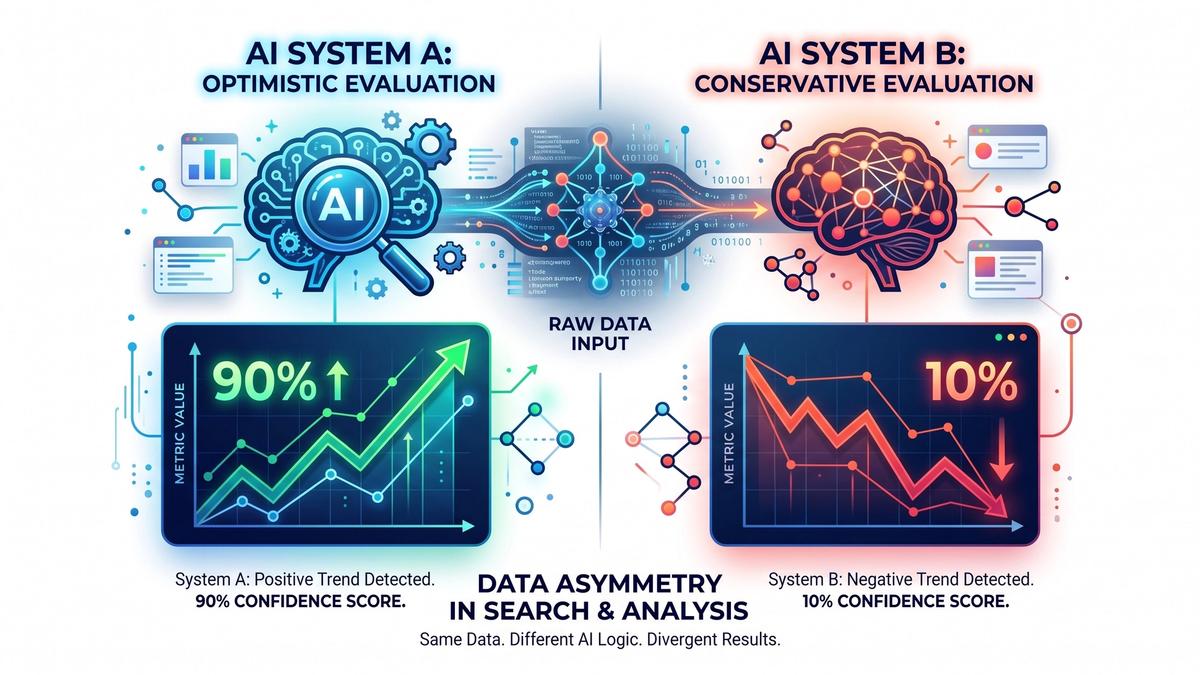
Google AI Overview (AIO) and ChatGPT are not the same product. They rely on completely different retrieval pipelines and ranking signals. During Citare's Indian AI Search Audit, we measured 25 brands across both platforms. The asymmetries we found were staggering.
The Platform Gaps
- **Snitch:** Surfaced on 10% of AIO queries... but 90% of ChatGPT queries. (An 80-point gap).
- **Pristyn Care:** Surfaced on 80% of AIO queries... but only 30% of ChatGPT queries. (A 50-point gap).
- **Clickpost:** 40% AIO surface vs 90% ChatGPT surface.
Why Does This Happen?
The pattern isn't directional (i.e., ChatGPT isn't universally "easier" to rank on than AIO). Each platform’s behavior is brand-specific.
- **Google AIO** anchors its citations heavily in URLs that Google has traditionally indexed and trusted for high-authority intent. This heavily favors aggregator sites, established domains with flawless technical SEO, and massive editorial pages. (This is why Pristyn Care, with its strong healthcare directory presence, dominates AIO).
- **ChatGPT**, powered heavily by Bing grounding, favors brand mentions that appear frequently in conversational long-form web content, Reddit threads, and developer-style how-to guides. (This is why Clickpost, with its rich case studies and long-form blogs, dominates ChatGPT).
The Danger of Single-Platform Dashboards
If you only use a single-platform monitoring tool, you will get a misleading read. If Pristyn Care only checked ChatGPT, they would think they were failing. If Snitch only checked ChatGPT, they would think they had conquered the market, completely missing their 90% invisibility rate on Google's AI Overview.
There is no single "AI search optimization" strategy. You have to measure your brand on ChatGPT, AIO, Gemini, Claude, and Perplexity separately to understand your true posture.
*Citare is the only platform that tracks all 5. Start your 5-platform Brand Radar dispatch today.*